What insurance do I need to trek in Nepal?
You need travel insurance that covers trekking to the altitude of your route and includes helicopter evacuation. Check the medical limit is high enough and read the wording for airline exclusions. I will not take anyone on a high trek without it.
Why it matters more here
I am Lopsang, a licensed guide, licence No. 20007. I do not sell insurance and I am not an agent. I just want you covered before you set foot on the trail, because I have seen how fast a good day can turn into an emergency at altitude. On a high trek there are no roads and no quick way down on foot if someone is seriously unwell. The nearest hospital can be days of walking away. That is why the right policy matters more here than almost anywhere.
Cover to the altitude of your route
This is the part people miss. Many travel policies only cover trekking up to a certain height, and above that height you are not covered at all. Check the altitude limit written on the policy against the highest point of your trek, and make sure the policy covers you above that point. If it does not, the whole policy may not pay out when you need it. If you are not sure, ask the insurer to confirm in writing. Here are the highest points on the treks I run.
| Trek | Highest point |
|---|---|
| Everest Base Camp | 5,545 m |
| Annapurna Circuit | 5,416 m |
| Manaslu Circuit | 5,106 m |
| Langtang Valley | 4,773 m |
| Langtang Gosaikunda | 4,600 m |
| Annapurna Base Camp | 4,130 m |
Helicopter evacuation cover
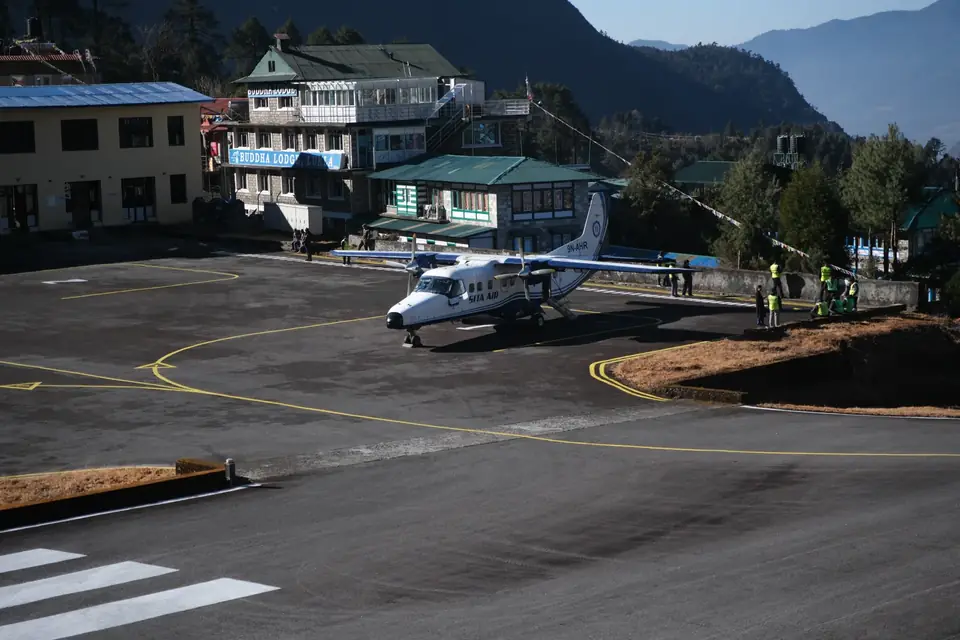
If a person needs to get to a hospital fast, the answer is usually a helicopter, or a domestic flight from the nearest airstrip. That is not cheap, and without cover the bill lands on you. So your policy needs to say helicopter evacuation and rescue in plain words, not just treatment once you reach a hospital. Some policies cover the hospital but not the flight to get there. Evacuation cover matters most on exactly the routes in the table, where you are days of walking from the nearest road.
Check the medical cover is enough
Look at the total amount your policy will pay for medical treatment and for evacuation, and make sure it is high enough. A rescue flight and a hospital stay abroad add up quickly. A low medical limit can leave you short at the worst possible time. It is worth paying a little more for a policy with a sensible limit and clear cover for trekking at altitude. I cannot tell you what number is right for you. Read the limit and decide honestly.
The EU Air Safety List catch
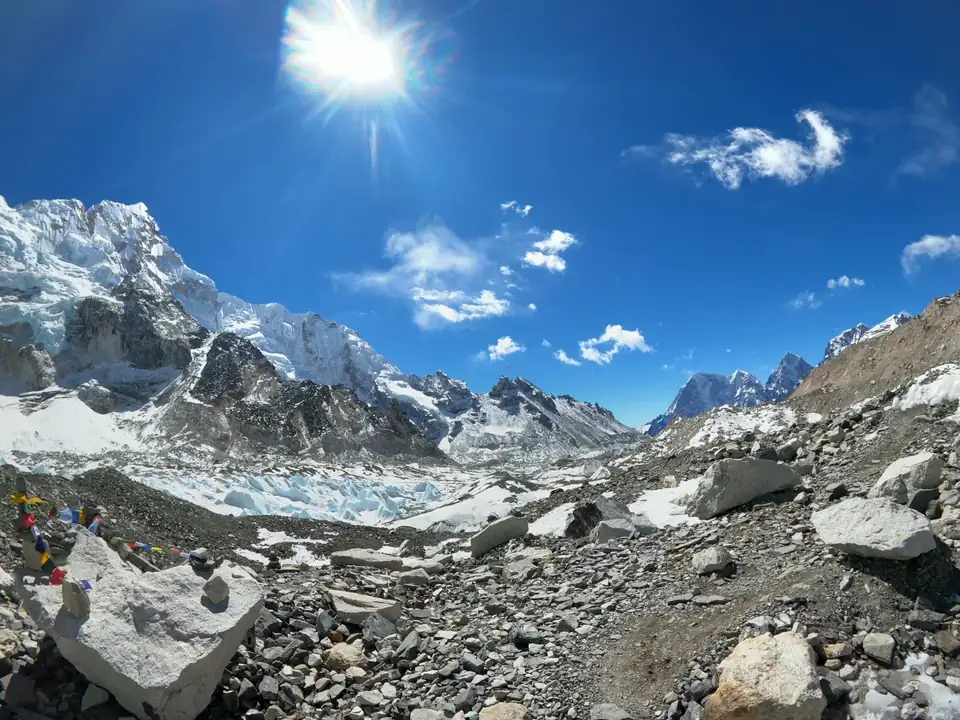
This one catches people out. Nepal's airlines are on the EU Air Safety List. Some travel insurance policies exclude claims that involve carriers on that list. That is a real problem here, because a helicopter or a domestic flight is often how you get out in an emergency. If your policy quietly excludes Nepal's carriers, your evacuation cover may be worth nothing when you need it. Read the policy wording. If it excludes carriers on that list, find a policy that does not, or ask the insurer to confirm you are covered for rescue flights in Nepal.
Cover the whole trip
Check that the policy covers the full length of your trip, with a bit of room in case bad weather or a delay keeps you on the trail longer than planned. Flights in and out of the mountains are often delayed, and a policy that ends on the day you planned to fly home can leave you uncovered. Cancellation cover is worth having too, since plans in the mountains do change. Read the exclusions. Some policies drop cover for anything they call an adventure activity, and trekking can count.
How I help
I help you understand what cover to look for, so you can buy a policy that actually fits a Nepal trek. I will tell you the highest point of your route and remind you about the altitude limit, the evacuation cover and the air list wording. What I will not do is sell you insurance or tell you which company to use. That is not my job, and the right policy needs to suit your own country and your own health. You buy it yourself, in your own country, and you read the wording.
Before we start walking
Buy your policy early, when you book the trek, not the night before you fly. Keep a copy on your phone and a paper copy in your bag, because there is often no signal high up. Give me the policy number and the insurer's emergency number before we start walking. If something goes wrong, I need to call them fast, and I cannot do that if the details are in a hotel in Kathmandu. Tell me about any health condition too, so I know what to say if I have to make that call.
What I'd suggest
Buy a policy that names trekking to the height of your route and names helicopter evacuation. Read the wording yourself, including the airline exclusions, and ask the insurer in writing if anything is unclear. Send me the emergency number before we start. I am a guide, not an insurance adviser, so treat this as general information and check everything with your insurer.