Can I trek solo in Nepal in 2026?
Yes, but read the detail. Since 22 March 2026 a solo trekker can hold a restricted-area permit in their own name, so the old two-person minimum is gone. A licensed guide and a registered agency are still required.
What changed on 22 March 2026
Before that date, a restricted-area permit had to cover at least two trekkers on one permit. If you turned up on your own, you could not get the permit. That shut solo travellers out of places like Upper Mustang and Manaslu unless they found a partner or paid for a second ghost permit. Since 22 March 2026 the two-person minimum is gone. One person can now hold a restricted-area permit alone. That is the whole of the change. It is about who can hold the permit. It did not touch the guide rule or the agency rule.
What solo means in practice
Solo now means you can come as a party of one and still get the restricted paperwork in your own name. It does not mean walking a restricted route alone: on Manaslu, Nar Phu, Upper Mustang and Tsum a licensed guide still walks with you. So a solo trek there is you and your guide, your own dates, your own pace, no strangers in a group. On the non-restricted routes the picture is looser. Trekkers do walk Annapurna Base Camp, Mardi Himal and Langtang alone, and I recommend a guide rather than require one.
What still needs a guide and an agency
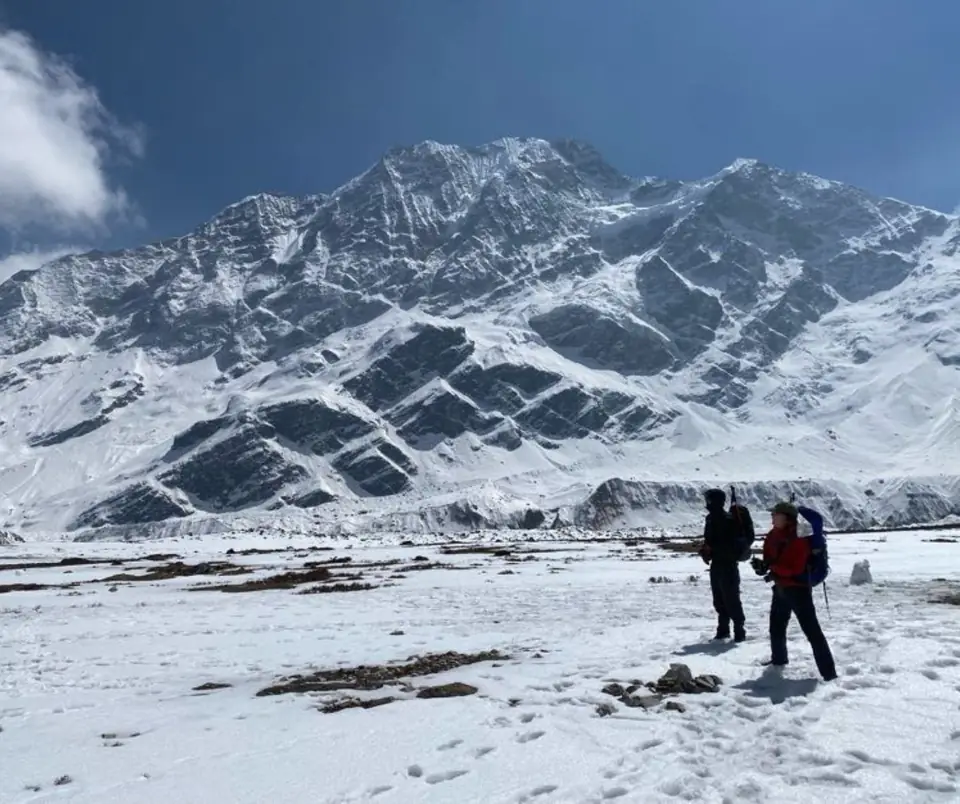
The restricted-area rule survived the change untouched. On Manaslu, Nar Phu, Upper Mustang and Tsum Valley the permit must still be filed by a registered trekking agency and a licensed guide must be with you. A single trekker can now hold that permit in their own name, but cannot buy it alone. It goes through a company. So a solo restricted trek is one permit in your name, filed by an agency, walked with a guide. On the non-restricted parks the guide rule is on paper only, and in practice a guide is my recommendation, not a checkpoint requirement.
Which restricted areas this opens up
The change matters most for the restricted areas, because those are the places a solo traveller was locked out of before. They are now open to a single permit holder, still with a guide and an agency. The four I run or plan to run are Manaslu, Nar Phu, Upper Mustang and Tsum Valley. The fees below are the government rates per person, as of September 2026. Manaslu, Nar Phu and Tsum Valley are cheaper from December to August. Upper Mustang is the same rate all year. When you book with me, the permit cost is already in your price.
| Restricted area | Sept to Nov | Dec to Aug |
|---|---|---|
| Manaslu | USD 100 per week, then USD 15 per day | USD 75 per week, then USD 10 per day |
| Nar Phu | USD 100 per week, then USD 15 per day | USD 75 per week, then USD 15 per day |
| Upper Mustang | USD 50 per person per day | USD 50 per person per day |
| Tsum Valley | USD 40 per week, then USD 7 per day | USD 30 per week, then USD 7 per day |
The Upper Mustang fee change
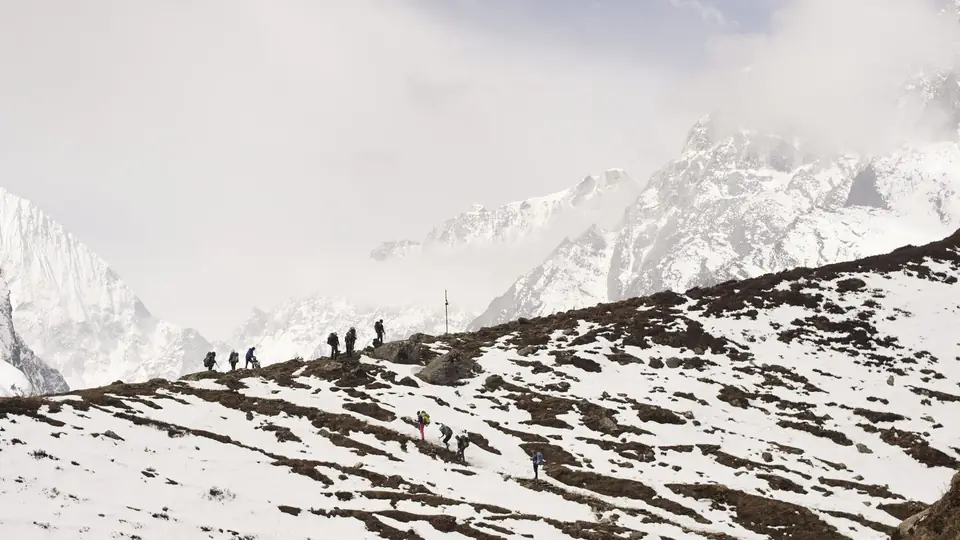
Upper Mustang used to charge a flat USD 500 for the first ten days. That rate is gone. Since 22 December 2025 the permit is USD 50 per person per day, as of September 2026, with no ten-day minimum. A ten-day trip costs the same as before. A shorter trip costs less. Count your days before you decide. Upper Mustang also sits inside the Annapurna Conservation Area, so the NPR 3,000 entry fee, as of September 2026, is paid on top. The restricted status, the guide rule and the agency filing did not change.
Where guideless trekking is really checked
I will not sugar-coat this, in either direction. On a restricted route, trekking with no guide is illegal and it is checked. Immigration or police can ask for your restricted permit at any point, and without an agency permit you have no right to be there. You get turned back and lose the time and money you spent reaching the trailhead. On the non-restricted routes it is different. On Annapurna Base Camp, Mardi Himal and Langtang trekkers walk without a guide and are not stopped. There, a guide is about safety and a better trek, not about the law.
What a private solo trek with me looks like
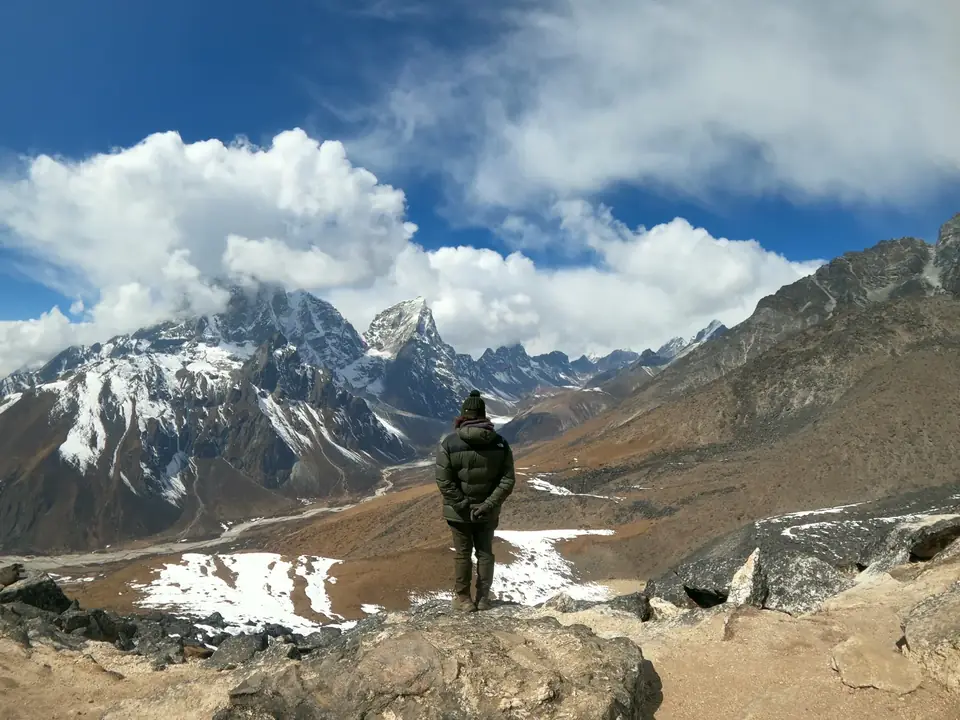
It means the trip is just you and your guide, at your own pace, on your own dates, with no strangers in the group. You still get the licensed guide the law requires and, on restricted routes, the agency permit. Many people who book this way simply want the flexibility. You can take an extra rest day if your head hurts. You can stop for photos as long as you like. The downside is company. Some people get lonely on a long trek with only their guide to talk to. The teahouses fix that in the evenings.
Which trek suits a first solo trip
Solo does not have to mean remote. If this is your first trek in Nepal, Langtang Valley is short, reaches 4,773 m and costs USD 580 as of September 2026. Annapurna Base Camp is longer but gentler on altitude at 4,130 m. If you want the restricted-area experience that the March 2026 change opened up, the Manaslu Circuit is the one I run now, 13 days over a 5,106 m pass. One honest note: the flood in August 2026 cut the road to the Langtang trailhead, so check the live status with me before you fix dates.
| Trek | Days | Highest point | Price | Restricted |
|---|---|---|---|---|
| Langtang Valley | 8 | 4,773 m | USD 580 | No |
| Langtang Gosaikunda | 12 | 4,600 m | USD 860 | No |
| Annapurna Base Camp | 13 | 4,130 m | USD 950 | No |
| Manaslu Circuit | 13 | 5,106 m | USD 960 | Yes |
| Annapurna Circuit | 16 | 5,416 m | USD 950 | No |
| Everest Base Camp | 16 | 5,545 m | USD 1,200 | No |
What I'd suggest
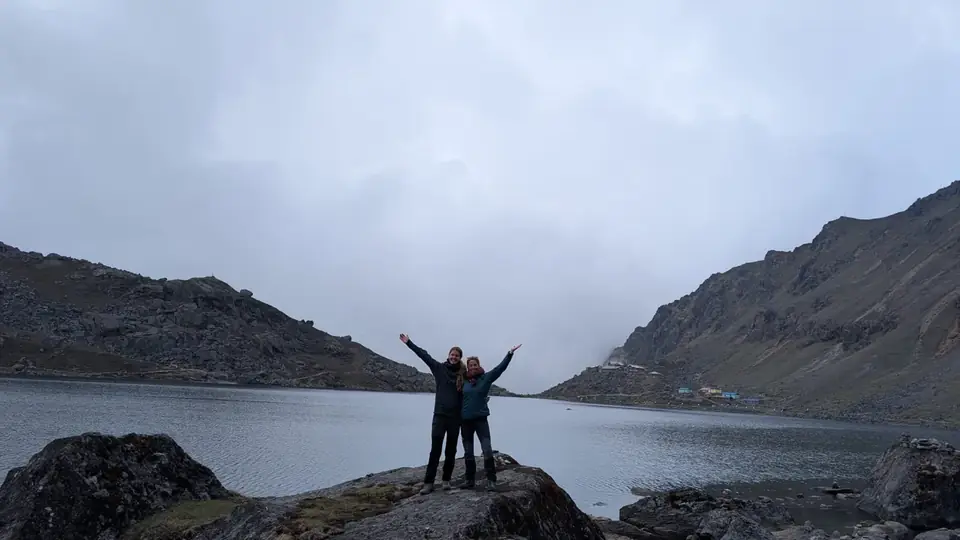
I would come on your own, hold your own permit, and trek with a licensed guide. That gives you the freedom of a private trip and keeps you on the right side of the rules. If you want a restricted area, tell me your dates and I will arrange the permit. If you are still choosing a route, the related pages will help.