What should I pack for a trek in Nepal?
Bring the things that have to fit you, like your boots, your base layers and your own medicines, and buy or hire the bulky gear in Kathmandu once you arrive. For my treks I provide a sleeping bag and a down jacket, so those two big items are already sorted. Most people pack too much, so keep it light.
Layers for your body
Mountain clothing works in layers you can add and remove as the day changes. Mornings are cold, the middle of the day can be warm in the sun, and it drops fast once you stop walking. Bring a few quick-drying base layer tops, and avoid cotton, which stays wet and cold. Add a fleece or light insulated jacket for rest stops, and a waterproof, windproof shell, because weather turns quickly in the hills. Pack trekking trousers plus a warmer pair or thermal leggings for the high days. Bring more socks than you think you need.
Footwear
Get this right and the trek is a pleasure. Get it wrong and your feet remind you every step. Wear good trekking boots with ankle support, and break them in at home before you come. Never start a trek in brand new boots. Pack a pair of light shoes or sandals for evenings in the teahouse, to give your feet a rest. A thin liner sock under a thicker sock helps some people avoid blisters. Gaiters earn their place if you trek in the snow season, keeping snow and grit out of your boots.
Sleeping warm
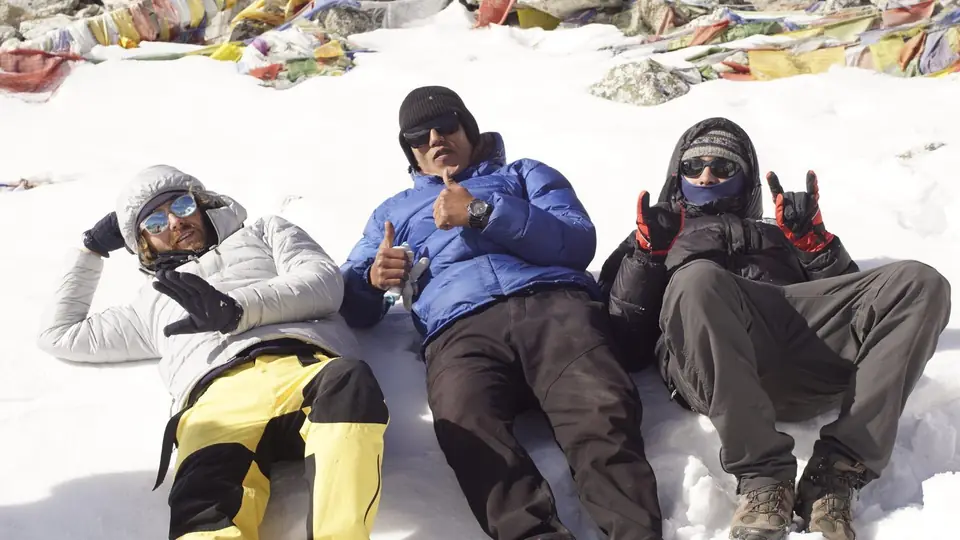
Teahouses give you a bed, a mattress and a blanket, but the rooms are not heated and it gets very cold at altitude. A proper sleeping bag is the difference between a good night and a miserable one. I provide a warm sleeping bag and a down jacket on my treks, so you do not need to buy or hire them. You are welcome to bring your own if you prefer. A liner adds a little warmth and keeps the bag clean. Bring earplugs too, because teahouse walls are thin and sound carries.
Head, hands and sun
The sun is strong at altitude and the cold bites your fingers and ears first. Small items make a big difference. Pack a warm hat for the cold and a sun hat or cap for the daytime glare. Bring warm gloves and thin liner gloves for milder days. Good sunglasses matter, because the glare off snow is fierce and can hurt your eyes. A buff or scarf covers dust lower down and cold wind higher up. Sun cream and lip balm with a high protection factor are the items people forget most and regret most.
Documents and money
Keep these together, dry, and on your body, not buried in the main bag a porter carries. You need your passport, plus a couple of spare passport photos for permits and paperwork. Bring your travel and trekking insurance details, and make sure the cover includes high altitude and helicopter rescue. Carry cash in Nepali rupees, in small notes, for your extras on the trail, because card machines do not work up there. A dry bag or a couple of strong zip bags keeps documents and your phone safe from rain and sweat.
Small kit that earns its place
None of this is heavy, and each item saves you money or trouble. A head torch with spare batteries for early starts and dark corridors. A power bank so you do not pay to charge at every stop. A refillable bottle or two, plus a way to treat water, either tablets or a filter, so you are not buying plastic bottles all the way up. A personal first aid kit with any medicines you take, blister plasters and painkillers. Wet wipes, hand sanitiser and a small quick-dry towel. Trekking poles, which save your knees on long descents.
What to buy or hire in Kathmandu
This is the part that saves you money and luggage space. Thamel is full of gear shops, real brands and cheaper copies side by side. You can hire a down jacket and sleeping bag there, though on my treks you do not need to. You can buy poles, a duffel, gloves, hats, socks, a fleece and any small item you forgot. The copies are fine for a hat or gloves. For boots and anything that must fit you, trust gear you tested at home. Allow a day in Kathmandu to sort it. I can point you to honest shops.
| Category | Bring from home | Buy or hire in Kathmandu |
|---|---|---|
| Footwear | Broken-in boots, trekking socks, liner socks | Teahouse sandals, gaiters |
| Clothing | Base layers, trekking trousers, shell jacket, underwear | Fleece, thermal leggings, waterproof trousers |
| Sleeping | Liner, earplugs | Sleeping bag and down jacket, both provided on my treks |
| Head and hands | Sunglasses, sun cream, lip balm | Warm hat, sun hat, gloves, buff |
| Documents and money | Passport, photos, insurance details, dry bag | Nepali rupees in small notes |
| Small kit | Head torch, power bank, first aid kit, water treatment | Trekking poles, duffel bag, water bottles, wet wipes |
How much to carry
Keep it light. You carry a small daypack with water, layers, sun cream and valuables. Everything else goes in one duffel or rucksack. If you hire a porter, that main bag is carried for you, so pack it in a way you can live without during the day. Most people take home clothes they never wore. Lay everything out before you fly, then take a third of it out. Two sets of walking clothes and one set for the evening is enough, because nobody on the trail cares what you look like.
What I'd suggest
Bring what has to fit you, keep it light, and let Kathmandu handle the rest. I provide the sleeping bag and down jacket, so you can leave the two bulkiest items at home. Send me your trek and the time of year and I will tell you exactly what you can leave behind.