Do I need a guide to trek in Nepal?
It depends where you go. On the restricted routes like Manaslu a licensed guide and a registered agency are required by law and checked. On the other popular treks, such as Annapurna Base Camp, Mardi Himal and Langtang, the rule asks for a guide on paper, but in practice people still walk without one, and I recommend a guide rather than insist on it.
What the April 2023 rule says, and what happens on the ground
Since April 2023 Nepal's rule asks for a licensed guide inside national parks and conservation areas. That covers Everest, Annapurna and Langtang. But the paper and the trail are different things. On Annapurna Base Camp, Mardi Himal and Langtang I still see trekkers walking without a guide, and nobody sends them back. So I will not tell you it is enforced when it is not. What I will say is that on those routes a guide is a strong recommendation, and on the restricted routes it is the law.
Where the rule applies and where it does not
A short walk near a town, outside any park, is a different case. Day hikes around Kathmandu and Pokhara that stay outside protected areas have never needed a guide. Inside a park or conservation area the rule is on the books, but as I said above, on the non-restricted routes it is not enforced at the gate. The one line that is always enforced is the restricted-area line. If a route needs a restricted permit, you need a licensed guide and a registered agency, and that is checked.
Restricted areas need more than a guide
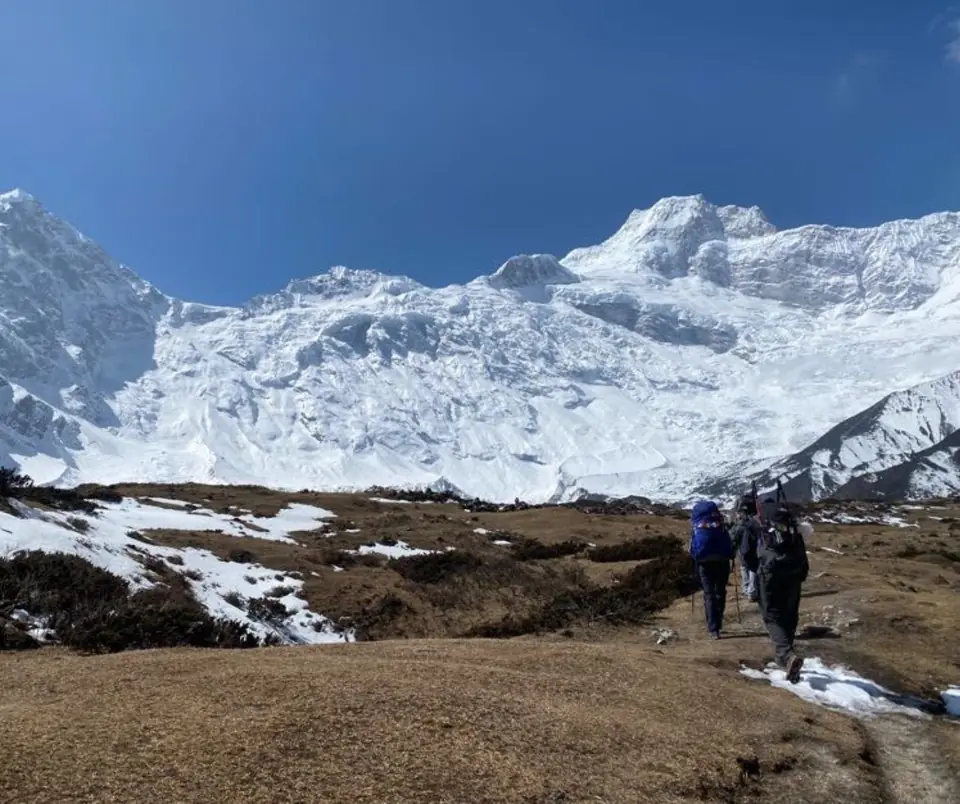
Some areas are restricted, set apart by the government because they are remote or near the Tibet border. These have always needed more. On a restricted route you need a licensed guide and a restricted-area permit, and that permit can only be filed by a registered trekking agency. An individual cannot buy it. A lone freelance guide cannot buy it either. So there are two levels. A normal park trek needs a licensed guide. A restricted-area trek needs a licensed guide and a registered agency behind the permit.
What is actually checked
People imagine constant checks. In practice the checks happen at fixed points, mostly where you enter a park or a restricted zone. At a park entry gate the staff look at your permits. On the non-restricted routes that is usually all they look at, and nobody asks where your guide is. On restricted routes it is stricter: police and immigration checkposts along the way can ask for your restricted permit at any time. On Manaslu there is a checkpost at Philim. Turn up there without the paperwork or a guide and you get turned back.
Which of my routes are restricted
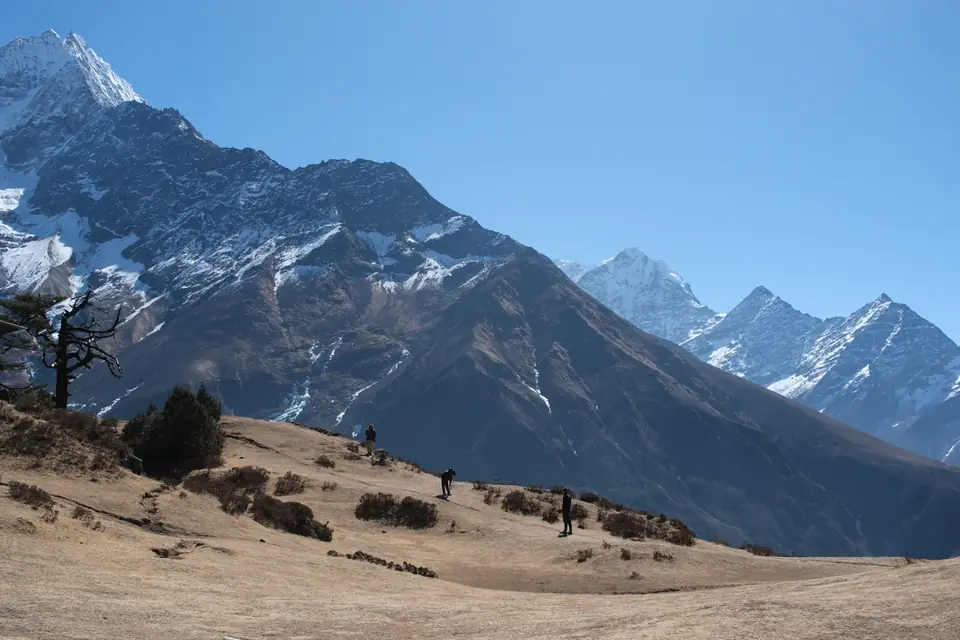
Of the treks I sell right now, the Manaslu Circuit is the only restricted-area trek. It needs a registered agency to file the permit and a licensed guide, and that is checked. Everest Base Camp, Annapurna Circuit, Annapurna Base Camp, Langtang Valley and Langtang Gosaikunda sit inside parks or conservation areas with no restricted permit. There the guide rule is on paper and in practice a guide is recommended, not enforced. I am adding three more restricted routes: Nar Phu, Upper Mustang and Tsum Valley. Book any route with me and the permits are arranged and in the price.
| Route | Licensed guide | Registered agency |
|---|---|---|
| Manaslu Circuit | Required by law | Yes, restricted area |
| Everest Base Camp | Recommended, rule on paper | Not required |
| Annapurna Circuit | Recommended, rule on paper | Not required |
| Annapurna Base Camp | Recommended, rule on paper | Not required |
| Langtang Valley | Recommended, rule on paper | Not required |
| Langtang Gosaikunda | Recommended, rule on paper | Not required |
| Nar Phu (planned) | Required by law | Yes, restricted area |
| Upper Mustang (planned) | Required by law | Yes, restricted area |
| Tsum Valley (planned) | Required by law | Yes, restricted area |
Why an uninsured freelance guide is a bad trade
You will see low prices online from freelancers with no company behind them. Here is why that is a poor trade. A freelancer cannot file restricted-area permits, so on Manaslu or any restricted route he cannot legally take you. Many carry no insurance and have no agency to organise a helicopter rescue. If you get altitude sickness high on the trail and need to come down fast, you want a system behind you, not one man with a phone. And if he guides a restricted route without an agency permit, you are the one standing at the checkpost.
What the higher price actually buys
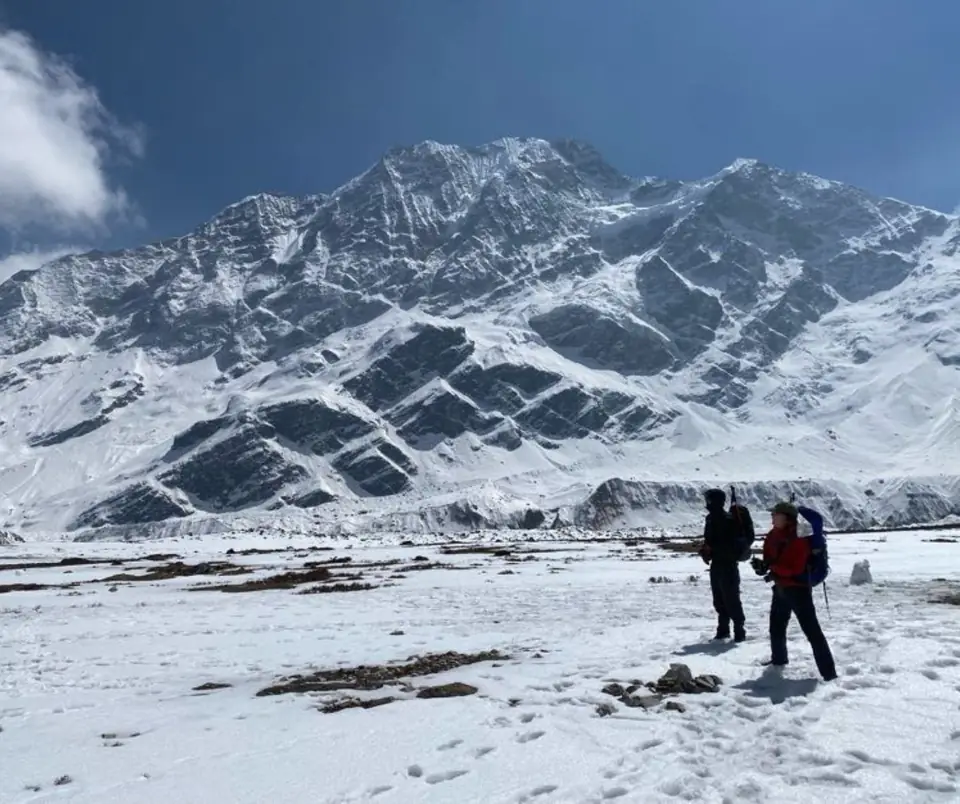
A licensed guide with a registered agency behind him costs a little more. What you get is the legal permits, insurance and evacuation backing, and someone who answers for the trip. That is what the price buys. Do not just compare the number. Ask for the licence number and ask which registered agency stands behind the trek. My licence is No. 20007 and I will show it to you. A good guide will not mind being asked. If someone goes vague when you ask, that tells you what you need to know.
What happens if you go without one
It depends on the route. On a restricted route like Manaslu you will not get past Philim without a guide and an agency permit, and you lose the trip you paid for. On the non-restricted routes, Annapurna Base Camp, Mardi Himal and Langtang, the honest answer is that nobody stops you. What you give up is the safety net: someone reading the weather, watching how you handle altitude, and knowing what to do when things go wrong. That is why I recommend a guide there, even though the checkpost will not insist.
What I'd suggest
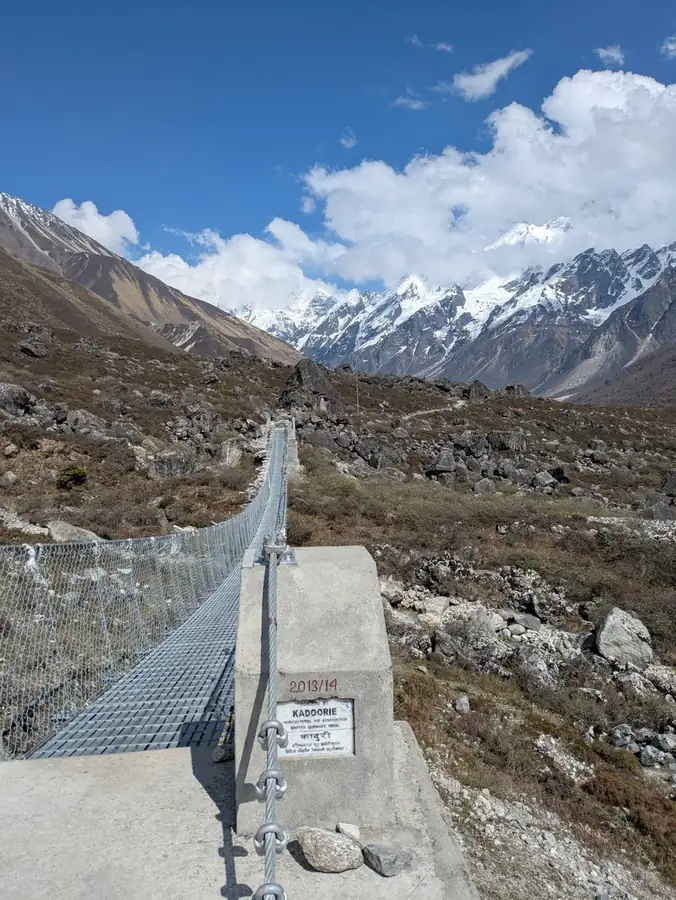
I would stop looking for a way round the rule and pick a guide you can check. Ask for the licence number and the name of the agency behind the trek. If you want a private trip, read my page on trekking solo, because that is now possible in your own name. And if you are unsure which route fits, just message me.